
Running From Walls: On Joshua Trent Brown’s The Walls Are Closing In On Us
by Hugh Blanton
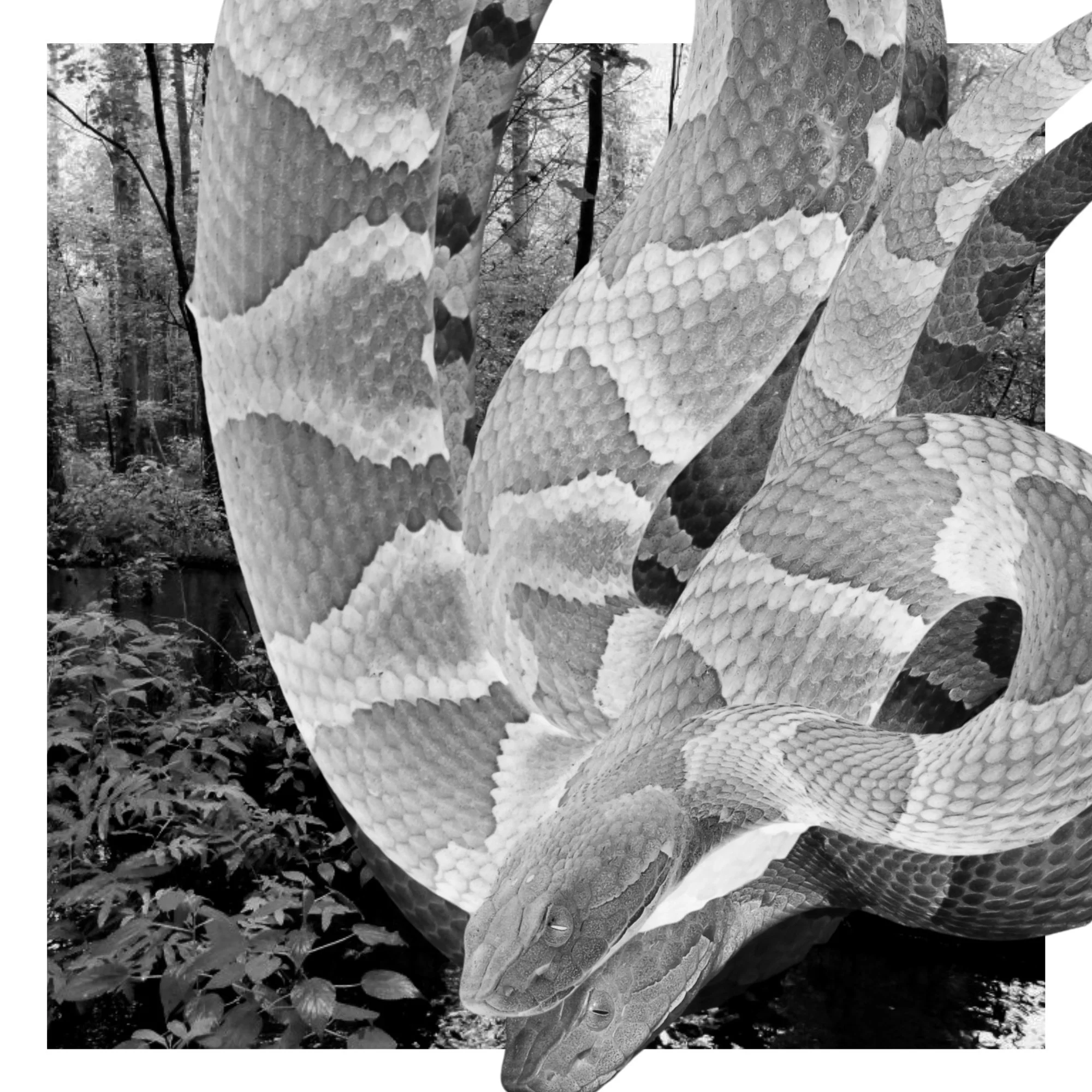
Joshua Trent Brown’s debut novel opens up with a man lost in the woods at night, suffering from stab wounds, blunt force trauma, rope burns to his neck, and a venomous snake bite. He’s escaped a failed lynching attempt (stepping on a snake in the process), but it doesn’t look like he is going to survive. Certain that he’s about to die (and even somewhat wishing to), he recounts his life’s memories while hallucinating from copperhead venom and trying to find his way out of the forest. We’re taken back to his childhood days where the man grew up on a Choctaw reservation in Mississippi, his journey across the southeastern United States, and how he ended up in the horrible situation he now finds himself in.
This being Brown’s first book, readers will not know what to expect when they first dig in. However, Brown’s a fairly prolific short story writer; his stories have appeared in numerous magazines over the last few years. His unique prose style ranges from waving its arms and balling its fist to staying rooted and practical. George Norris, our main character in Walls, saw his mother killed when he was a small boy as they were walking home from a general store. (She was a single mother, George did not know who is father was.) After the funeral an old woman approaches George and tells him suffering will follow him the rest of his life. George had never seen the woman before, had no idea who she was. He tells his friend what she said and asks who she is. The old woman's name is Hʋshilusa. "“She’s crazy, don’t worry about it. You know she got her name because the sun was blacked out when she was born. What did we call it in school? An eclipse, I think. My ippokni told me to not pay her no mind because she was just born to be a little crazy,” the boy said, pointing a finger at his head and twirling it around." The old woman wasn't crazy—she was prophetic.
One of the memories that George recalls as he's trying to make it out of the forest that night is the time he went to the Mississippi State Fair as a young boy. He and his best friend Chito, whose family George had moved in with after his mother was killed, are taken to the fair by the son (Nehemiah) of Chito’s employer. Back then (this was in the years leading up to WW II) the Mississippi State Fair was segregated, so Nehemiah arranged a scheme to makeup the boy’s faces to appear white. It was the first time George and Chito had ever been to Jackson, or any big city: “The streets were bustling with people and horses and cars like George and Chito had never seen and they were surprised to find that the overwhelming smells of the city were shit and gasoline.” Nehemiah pays their way in and the first thing George and Chito want to do is go on the Ferris wheel. When the wheel brings them to the top George is astonished at the view: “He wondered if this is what God feels like.” George and Chito are “clocked” while in a crowd listening to a speaker on a stage; two white boys their age spot and chase them. (Medgar Evers, the NAACP Youth Council, and the Jackson Nonviolent Movement led boycotts against the State Fair beginning in 1962 and it finally became desegregated in 1967.)
Brown teaches us a few words of Choctaw throughout Walls, we learn that bokushi is Choctaw for creek and chukpʋlantak is the word for frog, among other phrases and words. He retains the authenticity of the time that the story takes place—when George is diagnosed with asthma as a child he’s prescribed cigarettes. Yes, doctors really prescribed cigarettes that contained stramonium to treat asthma back then. One summer George gets a job on a tobacco farm and one of his tasks is removing the flower buds from the tobacco plants to prevent the buds from taking soil nutrition that the leaves need to make good tobacco. Young boys getting their first jobs on tobacco farms are often unaware of the extremely high concentration of nicotine in the buds and if they allow the buds to make skin contact for more than a few seconds they become ill, sometimes seriously so. Nicotine sickness can sometimes last for days. It’s on the tobacco farm that George finds out other people might know who his father is—and that he might be a very wealthy and powerful man.
George leaves Mississippi when he’s still a boy (he was forced to leave by circumstances) and for a long while lives alone in a cabin isolated in the Georgia forest (he’s so isolated he doesn’t even know the USA has entered WW II). While he’s living alone in the forest he’s visited by a beast that appears to be half deer and half man. It’s a kashehotapolo—a beast of Choctaw folklore. Kashehotapolos are guardians of the forest, they warn the forest of hunters who kill more than they need with an ear splitting scream that sounds something like the scream of a woman or a pig. George screams at the kashehotapolo that he is not a murderer and the kashehotapolo runs from him deeper into the forest. Not long afterward George’s cabin is destroyed by a hurricane and he’s got to decide to rebuild or leave.
Brown said The Walls Are Closing In On Us is based partly on his great grandfather, “ever so slightly on a true story.” He’s influenced by Cormac McCarthy, even if he doesn't wear the influence plainly on his sleeve. Two of his favorite books are The Passenger and Stella Maris and he calls Blood Meridian the greatest book of the twentieth century. Brown definitely researches his stories as deeply as McCarthy but fortunately doesn't resort to spreading archaisms around the way McCarthy does like a Johnny Appleseed for no-longer-used words. This being Brown’s first novel it’s difficult to predict how much of an effect he’s going to have on the canon, but he’s off to a fairly good start.
The Walls Are Closing In On Us
by Joshua Trent Brown, 310 pages
Malarkey Books, 2026
Hugh Blanton's latest book is The Pudneys. He can be reached on X: @HughBlanton5.