
2%
by David C. Porter
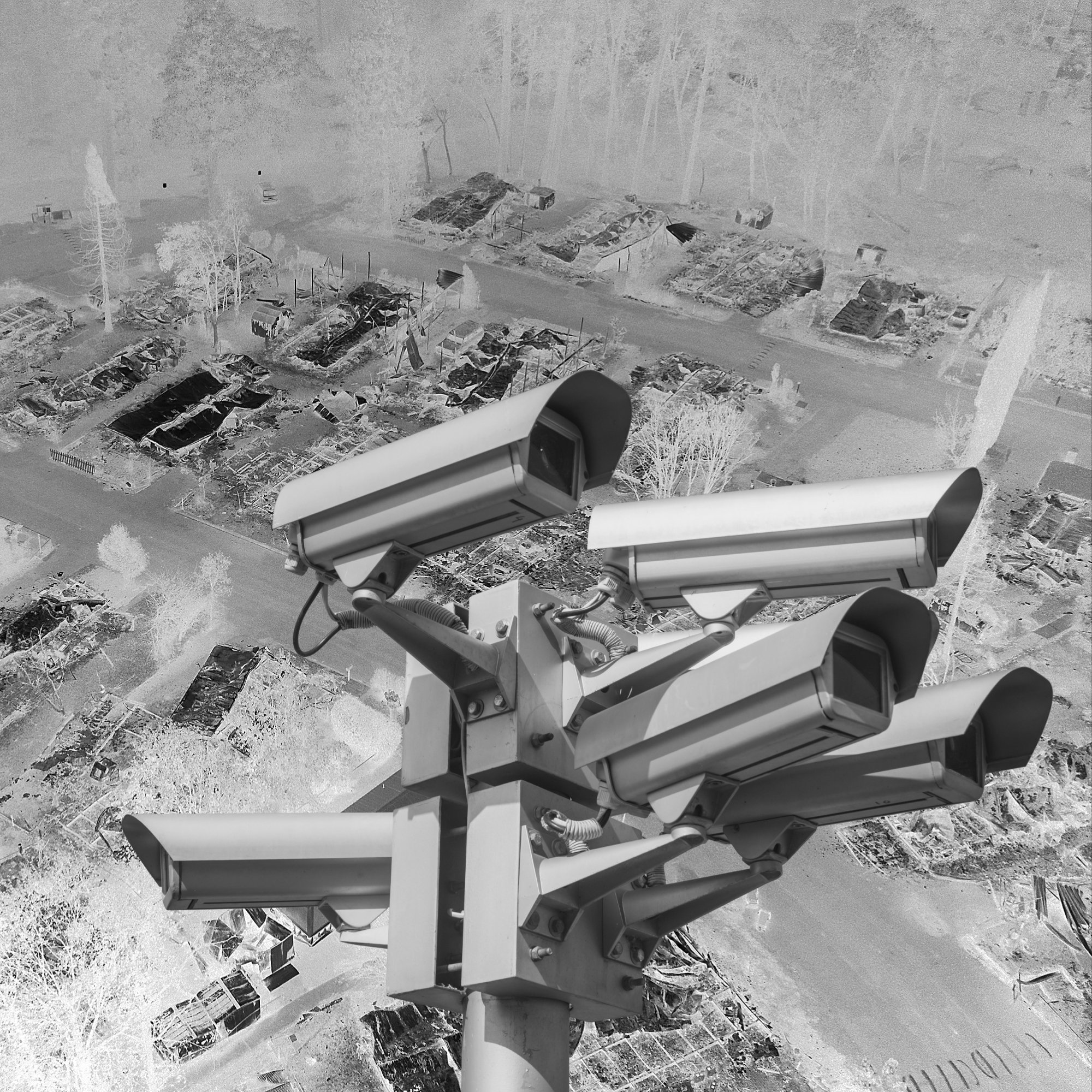
We were all very concerned about homelessness in our community and we made sure there was no confusion about the matter. When that journalist came nosing around asking us those leading questions, we all told her the same thing – we told her that it was very serious and we were very concerned and we were certainly going to handle the matter. We were all concerned responsible citizens acting as a united front in our time of trouble. We were the richest neighborhood in the state: a beautiful place to raise a family and in our own estimation an example to which others should aspire – but now according to the new census data just released an entire 2% of our population was classified as homeless. A year ago everything was as it should have been and we had had no homelessness whatsoever but now there was 2%. Somehow, there was 2%. We didn’t know what we had done to deserve it or if we had even done anything at all and there was no accounting for it and we said as much to the journalist. We said it was shameful and embarrassing. We said we paid our taxes every year and we said we always said hello to our neighbors and we said we were honest people and of course this maybe wasn’t always quite true, but it might as well have been and in any case that was our business and no one else’s anyways. But then always having had no honest choice but to admit the problem existed the inevitable question came, the one that she asked with a glint in the eye like a hunter who knows her prey is cornered: What are you doing about it? And we always had to give the same answer, the same ridiculous answer that made us feel like fools every time, but the only one conscientious people like ourselves could give all the same: Nothing. We were doing nothing. As ridiculous as we knew it sounded we couldn’t find them and so we were doing nothing because there was nothing we could do. No matter how much we wanted to we couldn’t address a problem we couldn’t locate and no matter where we looked we couldn’t find where our homeless population was living in our community and that was all there was to it. It certainly wasn’t that we didn’t want to find them and see them and address them, certainly not – we had looked and looked and were still looking. But we couldn’t find them. And so the headline: “This wealthy neighborhood saw a spike in their homeless population — but they don’t know where they are.” A spike, they said – that was the worst part. As if there had always been homelessness here, as if it had just gotten worse like it did in the urban centers every few years when really that wasn’t the case at all and really we had never had these problems before now and the whole situation was entirely unprecedented for us. It was unspeakably humiliating. We had never experienced such humiliation – a sort of humiliation that good citizens like ourselves should never have to go through. We had demanded in person and in writing and over the phone and online that our city council do something to solve this problem – this very serious problem – find something that would stop any more journalists from coming and sniffing around upsetting us and upsetting our children and making us laughingstocks on the national stage, something that showed we were serious about homelessness and that we were committed to solving the problem – and so our city council had contracted a specialty firm from out of state: ex-military contractors with a great track record of urban humanitarian outreach using radar night vision heat sensors all the latest technology. The fee had been immense and really practically highway robbery but we had paid because we didn’t want there to be any doubt about how serious we were about tackling this problem and about how concerned all of us in the community were about the situation – and every night now we would see the black SUVs prowling down our streets would hear the teams in their blocky gray-brown urban camouflage suits creeping through our backyards be stopped by imposing men wearing softly whirring goggles stepping out of bushes to question us when we went out late at night walking our dogs and shining ultraviolet lights in our windows as we slept. And yet: our homeless population could not be found. The contract required that each day a new report be submitted to the city council and each day it told of the same things told of everything but what we needed, gave us endless evidence with no results: we learned about tents and filthy sleeping bags discovered in our empty houses and undeveloped plots and about crude graffiti tags in our more neglected alleyways and about endless, innumerable used needles and empty bottles and spent lighters recovered from the underbrush at the sides of our roads. We saw pictures of it all more pictures than could leave any possible room for doubt as to the seriousness of the problem and at one council meeting the man directing the “operation” in our neighborhood who was hard and chiseled and dependable-looking wearing blue nitrile gloves out of what we were sure was the same sense of abundant caution with which he handled every aspect of his work held up for us to see a small plastic baggie which he told us had been found discarded on a sidewalk near our southern traffic circle – a baggie which he told us lab tests had confirmed had once held a full hit of crack cocaine. He held up and showed us in his other hand after that another baggie and he told us this one had once contained the same amount of heroin. We were all as appalled as anyone would be and it concerned us very deeply and the signs could not be clearer and yet signs were all the firm could find. Despite all their efforts not one member of that homeless 2% had been located. We didn’t know where they were or why they had come to our community or what we could do about them and it was as intolerable as anything we had ever experienced – it made us nauseous to think about it. We felt sure we had done everything right if anyone in this country had and yet blight and shame and embarrassment had still descended upon us and our good name and reputation was being dragged through the mud. Our colleagues and business partners from other parts of the state or from other states or other countries even all looked at us with what we could feel was increasingly undisguised contempt. They looked at us like we were the problem. The two percentage points hung over our heads like an evil moon and burned us like they were branded on our very flesh and the days stretched into weeks and nothing changed. The city council demanded that further measures be taken – that the firm step up to the plate and deliver or risk the agreement being voided outright. It was more aggressive than conscientious people like ourselves would have liked to have been but it was the only thing we could think to do and we had to do something. We had to be sure no hostile journalist could cause us more trouble – could possibly say we weren’t throwing the weight of our ample resources behind the problem. That was the top priority. We couldn’t take any more humiliation and so we needed the problem solved by any means or measure. We needed to show that homelessness did not go unaddressed in our community and that no one could cast doubt on the respectability of our community and the civic-mindedness of our citizens. In response to our demands the firm submitted a new proposal where in addition to doubling the number of ground patrols and reconnaissance teams and adding regular helicopter fly-overs and installing new state-of-the-art surveillance systems at key locations around the neighborhood they proposed deploying what they called Domestic Intelligence agents – trained specialists who would enter and occupy any residential building for as long as was deemed necessary to complete their mission objectives. They told us this was the only way that the firm could develop a full-spectrum understanding of the situation in our community and eliminate all outlying possibilities which limited the optimal effectiveness of their operations. These new measures brought the total cost to more than triple what was estimated in the initial contract but it was nonetheless and to our collective approval quickly and unanimously approved by the council. We felt certain that this was a measure which would leave no doubt about the seriousness of our concern and our commitment to addressing that 2%. Wherever homelessness was hidden in our community we were sure that this would be enough to root it out and so it was with a feeling of fresh resolve that the very next morning very early in that morning before the sun even had fully risen we were awoken by knocking at our doors and opened them to find on the other side men in dark uniforms and unsmiling with single index fingers pressed to Bluetooth modules embedded in their ears pushing past us unceremoniously and without introduction and without apology to begin to sweep our homes. They moved from room to room attic to basement opening our closets and pantries our dressers and cabinets and display cases and turning over our sofa cushions and shining lights under our beds and everywhere else where there was a hint of darkness and shadow in our homes even places we had forgotten existed like cobweb-lined crawlspaces and hidden ventilation shafts and maintenance hatches on the backsides of our water heaters. They went into our children’s rooms and pried open the locks on their diaries and they went into our own rooms and picked the locks on the boxes that held our old memories and they did not tell us what they were looking for and when they were done they told each and all of us that our homes were still “areas of interest” and that they would be staying here with us for the foreseeable future and that we should start getting used to it now should just accept it because that would be easier for everyone and then they would sit down at our kitchen tables and ask us what was for breakfast. We were of course annoyed at this intrusion into our lives and our homes and our families – in fact we had to admit it troubled us and we muttered as much to each other while we got the extra plates and silverware for the agent’s meals and we felt our resolve and commitment to solving our problem was being tested. But we understood and we told ourselves and the agents told us that it was necessary and we understood that solutions don’t come overnight and we were after all appreciative of all the work the firm was doing to help us find the solution to this problem that had after all had such a greater impact on our lives than simply setting another place at our tables and we had to admit when we thought about it that in the final analysis it was the best course of action – and meanwhile outside our homes many more changes were happening which reassured us that we were taking every measure we could and no one could say we were dropping the ball and we felt reassured. There were more and more cars and vans and mobile command centers parked along our streets now and new lights being installed atop our telephone poles – lights which were remote-controlled and blindingly bright and capable of 360 degrees of rotation and of automatically locking onto anything that moved within its field of view. Cranes and backhoes and bulldozers were brought in to uproot our bushes and tear out our gates and demolish any fences we had installed along the borders of our properties simply on the principle of leaving no stone unturned and leaving nothing unaccounted for and men with dark sunglasses and jackhammers broke apart squares from our sidewalks and patches from our streets and men with chainsaws came and spent whole mornings and whole afternoons cutting into the trunks of the trees along our streets and in our backyards until they were ready to topple and then when they did they brought in further machines whose power and mechanisms we could not quite even understand to pull out the stumps and hold them up in the air so they could study the roots caked in soil and take notes and take photographs – it was the only way to determine if any of the homeless population had sheltered there they explained and sometimes they found old clothes or blankets tangled up in the roots, buried deep underground and these were telltale signs. We nodded and understood and were proud of the rubble our streets and the unfilled holes in our lawns and every other way our neighborhood had become pitted and marked as it proved our seriousness and our responsibility and our commitment that we were willing to allow our own streets and properties to be torn apart and laid bare in such a way. It proved that we were good and conscientious citizens who would allow no question marks to remain in our plans. We wished that journalist would come back now and see how much progress we had made and perhaps treat us with a little more respect that we had always been due. In our homes now too as well as our streets there could be no question of our commitment to addressing the problem – and the home we saw now was always where the solution must start. It was simply that while at first the Domestic Intelligence agents had been almost like passive observers merely inspecting and clearing the rooms of our homes, each day their knowledge of our domestic rhythms and routines became more confident and complete and authoritative and they began to make suggestions began to advise us about the best practices for a secure home and healthy family – the best practices to be sure we weren’t contributing to the problems in our community. We made every effort to follow them of course: we started waking up earlier; we started letting them look over our finances; we started hitting our dogs when they barked too loudly; we took all the locks off our inner doors. The agents started writing our grocery lists deciding what we would eat each week and checking after our shopping trips that we had made only the correct purchases with the understanding that if we hadn’t we would go without food that day to help us be more mindful in the future. The agents identified personal problems we had been in denial about and hadn’t known the signs of – personal problems that were keeping us from maintaining as resolute a commitment to solving the community’s problems as we all of us of course wanted to maintain – and prescribed us sleeping aids or painkillers or anti-depressants or blood thinners or laxatives and always stood over us and watched us take them and shined their flashlights in our mouths to make sure we’d really swallowed – which we of course always had for we are always responsible about our health. In some of our homes after assessing the situation the agents had begun sleeping with our wives or our husbands or in some cases the same rooms as our children for their own protection of course, and to ensure they weren’t keeping any secrets from us – any secrets that might help us solve the problem of this 2% in our community which they might not understand the seriousness and importance of as well as us and it was true that our children unfortunately didn’t always understand it and didn’t understand how this was all for the best and many of them began to grow more moody and more withdrawn and would sometimes lash out and although we felt sympathy for them discipline of course still had to be enforced still had to be maintained and the agents who showed such concern for them were thankfully more than willing to help. Those of us who still needed to commute to an office would sometimes come home to find new marks on our children’s arms or backs or chests or thighs or the soles of their feet and we pursed our lips and wished such measures could be avoided but accepted that the agents knew what they were doing and didn’t contradict them because we were all conscientious citizens and this was their job and after all they had special training and we were so appreciative of everything they were doing. But we still could not help but notice that no breakthrough had been made. Despite all our collective efforts and all of us concerned and responsible citizens committed to getting to the root of the issue of that 2% it still remained elusive and unknown and seemingly unknowable although we knew nothing is really unknowable with the right tools and the right policies – and reflecting this continued stalemate a new term began to appear in the firm’s reports: cave theory. Facing the reality that we had failed thus far despite abundant traces and signs and evidence to locate where the homeless were hiding we had to consider the possibility that they were not on our streets at all but hiding somewhere beneath them in what the firm theorized was a network of secret caves tunnels grottos and underground rivers utilized by the homeless population but unknown to us which had allowed them to evade detection for so long. Following this theory they began to drill exploratory boreholes around our neighborhood. They didn’t ask the city council for permission as at some point we had all decided that it was unnecessary red tape and was hindering the firm’s efficiency – who knew how much time it might have already lost us and how many days or weeks behind we were from where we could have been in addressing the problem that concerned us all because of such bureaucracy. Soon our streets and yards and driveways and basements were covered in what from the air one could see was a grid of perfectly round and equidistant holes each one about the circumference of a basketball and each one reaching feet straight down deep into the foundation of our community. Much to our collective dismay these boreholes revealed no caves of any notable size or with any connection to the surface that could possibly be human-accessible just tiny rivulets and deposits of ancient silt and minerals in the rock – and so in the small park in the middle of our neighborhood a larger excavation was started one that was an open pit like a miniature strip mine spreading outwards swallowing what trees and bushes had not already been cleared and cutting deep into the bedrock and necessitating the removal of the fountain where our children used to play last year which now so felt far away. But we did not allow ourselves to be distracted by nostalgia and told ourselves to keep our eyes and our feet facing forwards towards progress and towards solving the problem of the homeless 2%. This pit has yet to reveal anything either – but we remain hopeful for the firm has promised to expand their efforts and they promise they will strip the whole community down to its barest bones and tear out every lawn every street every lamp post and traffic light if necessary all to help us solve our problem. They promise they will turn everything around our homes into a barren waste of blasted rock if that’s what it takes to address homelessness in our community and we couldn’t be more grateful. They have our full and unwavering support because we’re responsible citizens who aren’t afraid to put our money where our mouths are. We’re confident that no one can honestly say we’ve done anything wrong. We don’t deserve to dream of hungry eyes at night.
David C. Porter is a writer and photographer from the American northeast. He edits Keep Planning (keep-planning.net), and writes Garden Scenery (https://gardenscenery.net/). His work has also appeared in various other places. His first novel, NTTN, is available now from Organ Bank Industries (https://www.organ.fail/product/nttn/). He can be reached on Twitter @toomuchistrue, or via his website (https://davidcporter.net/).